


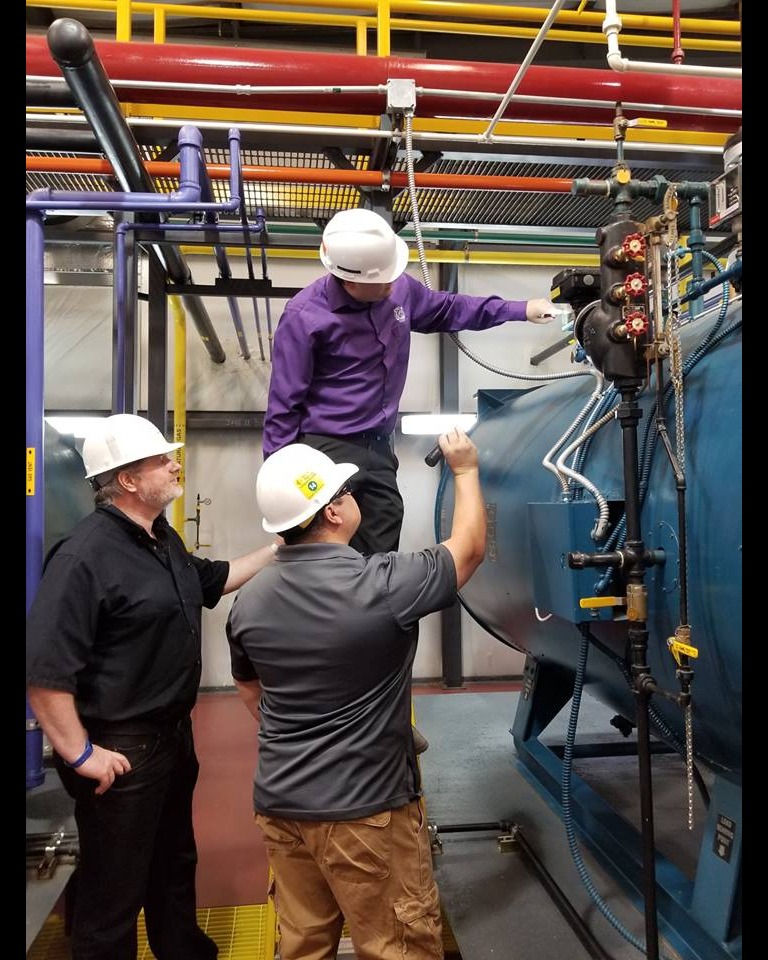
Hydrostatic pressure testing is a widely used method for checking the strength, integrity, and leak-tightness of pressure-containing equipment.
Hydrostatic testing is commonly performed on:
1.Hydrostatic tube and pipe systems
2.Hoses and rubber hoses
3.Cylinders
4.Pressure vessels
6.Boilers
7.Cross-country pipelines
8.Valves
9.Castings
10.Hydraulic fittings
11.Weld joints
12. Industrial components and equipment
Other Industrial Applications
Hydrostatic testing can also be used for:
Mandrel extraction from hoses and cables
Rubber hose pre-filling and hydro testing
Pipe burst testing
Plumbing hydro testing
Various industrial equipment hydro testing
Component pressure testing
During hydro testing, the equipment is completely filled with an incompressible liquid, generally water. A filling pump is used for initial filling and air removal. After filling, a high-pressure positive displacement reciprocating plunger pump gradually increases the pressure to the required test pressure. The pressure is then maintained for a specified period while the equipment is inspected for leakage or pressure drop.
How Does a Hydro Test Pump System Work?
A typical hydrostatic test system consists of a filling pump, high-pressure test pump, pressure measuring instruments, valves, piping, safety relief devices, and control systems.
The basic testing process is:
Equipment Filling → Air Removal → Pressure Generation → Pressure Holding → Inspection → Pressure Release
Does the Filling Pump Flow Rate Matter?
Yes, but its purpose is different from the high-pressure pump.
A hydro test system may have:
1. Filling Pump
The filling pump is used for:
Initial filling of the equipment
Water circulation
Removing air from the system
Reducing the workload on the high-pressure pump
Faster preparation before pressure testing
2. High-Pressure Test Pump
The high-pressure pump is used for:
Generating the required test pressure
Increasing pressure from the initial filled condition to the test pressure
Maintaining pressure during the testing process, depending on system design
Therefore, the filling pump flow rate should not automatically be used for calculating high-pressure generation time.
For pressure-generation time, the flow rate of the high-pressure test pump should be considered.
##A simple calculation can be used to estimate the pressure-generation time based on the equipment volume and pump flow rate.
Basic Formula
Step 1: Calculate the Required Water Volume
For preliminary calculation, the required pressure-generation volume can be considered as a percentage of the maximum equipment volume.
Required Volume = Maximum Equipment Volume × 5 Percentage
For example:
Maximum Equipment Volume = 12, 000 Litres
Considering 5%:
Required Volume = 12, 000 × 5%
Required Volume = 600 Litres
Step 2: Calculate Pressure Generation Time
Once the required volume and high-pressure pump flow rate are known, the approximate pressure-generation time can be calculated using:
Time (minutes) = Required Volume (Litres) ÷ Pump Flow Rate (LPM)
Where:
Required Volume = volume required during pressure generation
Pump Flow Rate = high-pressure pump flow rate in LPM
LPM = Litres Per Minute
Example
Required Volume = 600 Litres
High-pressure pump flow rate = 21 LPM
Therefore:
Time = 600 ÷ 21
Time = 28.57 minutes
So, the theoretical pressure-generation time is approximately:
28.6 minutes
Step 3: Convert Minutes into Hours
To convert the calculated time into hours:
Time (hours) = Time (minutes) ÷ 60
Therefore:
28.57 ÷ 60 = 0.476 hours
Approximately:
0.48 hours
Therefore, the theoretical pressure-generation time is approximately 28.6 minutes (0.48 hours).
Actual time may vary due to pump performance at test pressure, trapped air, leakage, piping losses, hose expansion, valves, and fittings. Hence, actual pump flow at the required test pressure should be considered for accurate hydro test system selection
### Conclusion
Flow rate is an important parameter in hydro test system design, even when a separate filling pump is provided. The flow rate of the high-pressure test pump directly affects the time required to generate the desired test pressure.
In simple terms, a higher flow rate can reduce the pressure-generation time, while a lower flow rate can increase the time required. Therefore, selecting a suitable flow rate is essential for achieving the required test pressure within the desired time.
The flow rate should be selected carefully based on the equipment volume, required test pressure, and desired pressure-generation time, while also considering the actual pump performance at operating pressure.
Proper flow-rate selection helps reduce testing time and improves the overall efficiency of the hydro test system.


